


How are ALC sheets reshaping modern building systems with their lightweight, high-strength, and multifunctional properties?
Release Time : 2026-04-20
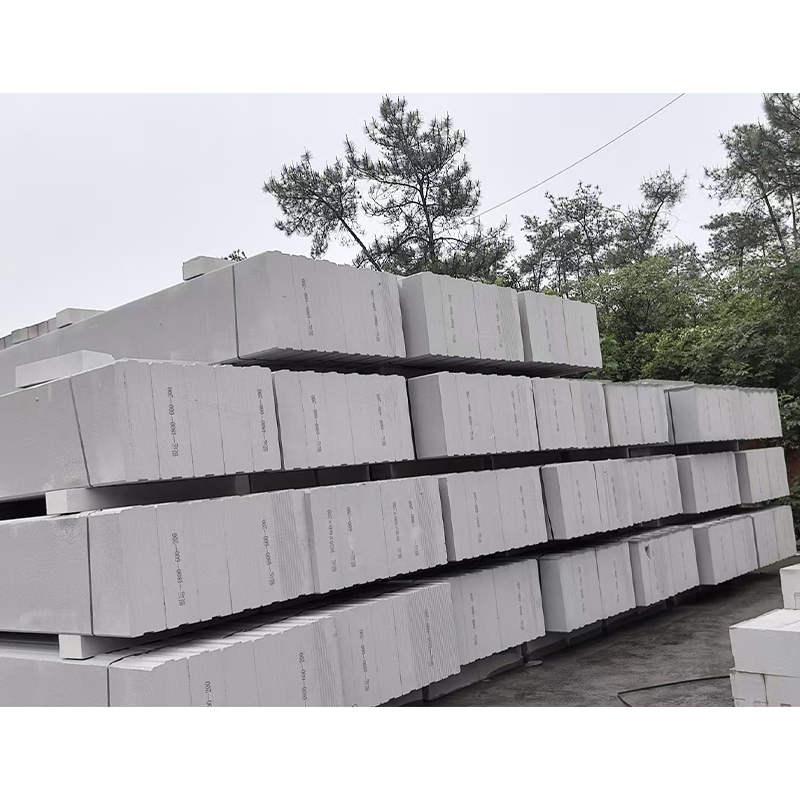
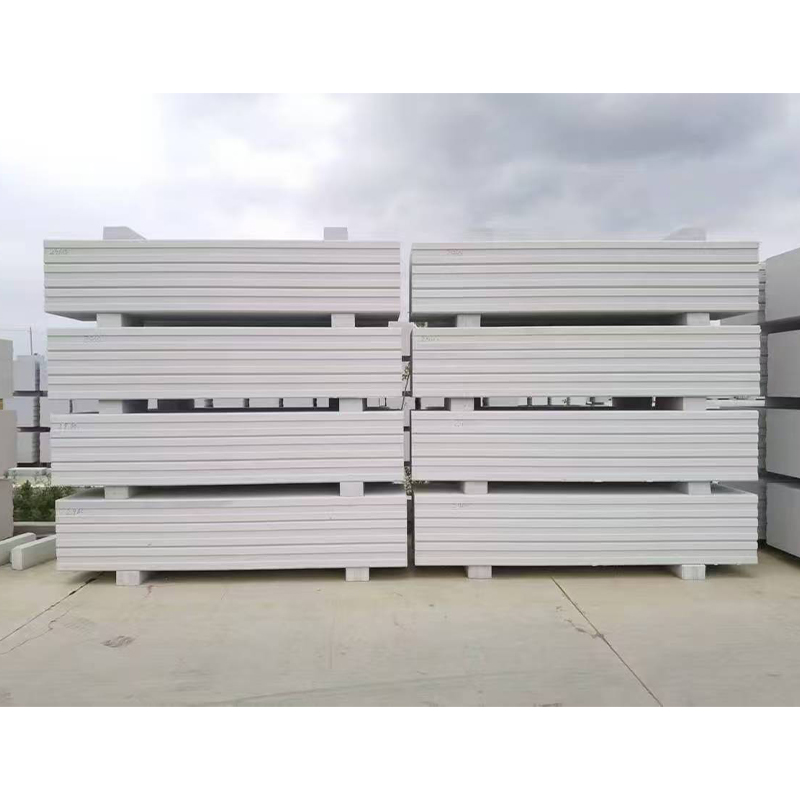
In today's construction industry, which pursues green, efficient, and high-quality standards, traditional wall materials are no longer sufficient to meet the development needs of prefabricated buildings. Autoclaved aerated concrete (AAC) sheets, with their lightweight, high-strength nature, excellent comprehensive performance, and convenient installation, have become a core material in modern building systems. From interior and exterior walls to floor systems, ALC sheets, thanks to the stable performance provided by their autoclave curing process and their multiple advantages such as heat insulation, fire resistance, and sound insulation, are reshaping the construction logic and user experience of buildings.
The lightweight nature of ALC sheets fundamentally changes the load-bearing structure of buildings. Their interior is filled with uniform, closed pores, resulting in a density far lower than traditional concrete and clay bricks, yet they achieve excellent load-bearing capacity through built-in rust-resistant steel mesh. This combination of lightweight and high strength significantly reduces the burden on building foundations, lowers the cost of the main structure, and provides more possibilities for the design of high-rise buildings and large-span spaces. In projects such as LOFT apartments and steel-structured residences, ALC floor slabs not only meet the load requirements of daily use but also save floor height through their thin design, making space utilization more efficient.
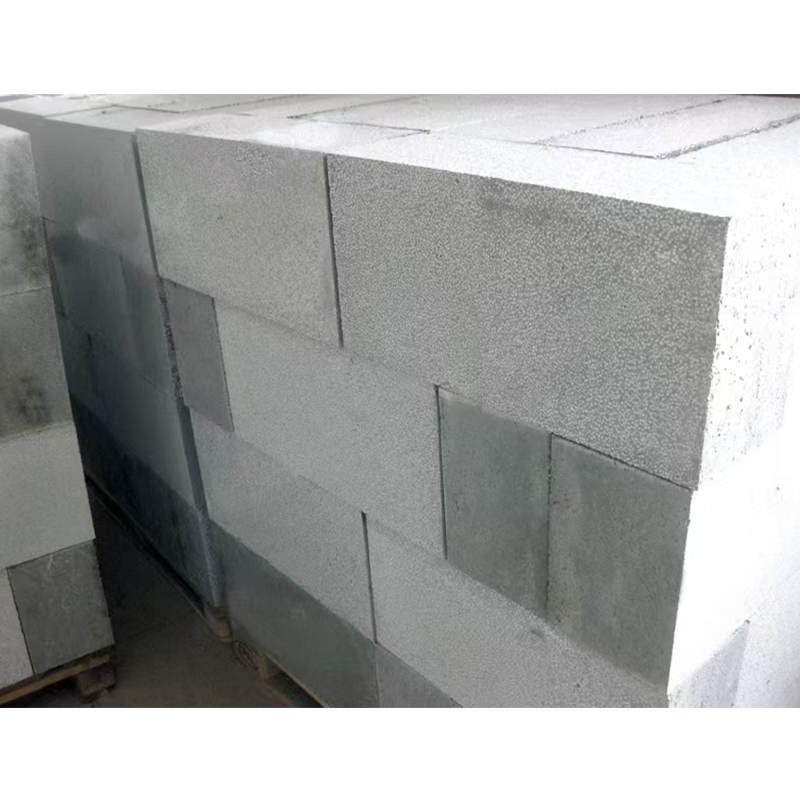
The autoclave curing process is the core guarantee of the stable performance of ALC sheets. After high-temperature and high-pressure steam curing, raw materials such as silica sand, cement, and lime form a dense silicate crystal structure, which not only eliminates the risk of material aging but also endows it with excellent durability. This structure gives ALC sheets good acid and alkali resistance, resisting weathering and chemical corrosion, allowing their service life to be synchronized with the building structure. At the same time, the dimensional precision resulting from the process ensures tight splicing of the panels during installation, reducing on-site wet work and avoiding cracking and hollowing problems common in traditional masonry, providing a smooth base for subsequent decoration.
The multi-functional integrated characteristics make ALC sheets a "guardian" of building energy conservation and safety. Their internal closed pores form a natural insulation layer with extremely low thermal conductivity, effectively blocking heat transfer between indoors and outdoors, reducing heat loss in winter and blocking external high temperatures in summer, significantly reducing building energy consumption. In terms of fire resistance, as an inorganic, non-combustible material, ALC sheet maintains structural stability at high temperatures, effectively preventing the spread of fire for extended periods and buying valuable time for evacuation and fire rescue. Its evenly distributed micropores also effectively absorb and block sound waves, achieving varying degrees of sound insulation depending on thickness, meeting the quiet environment requirements of residential and office spaces.
The convenient installation method is key to ALC sheet's improved construction efficiency. The panels are prefabricated in the factory, requiring only on-site assembly according to design drawings. They can be quickly fixed using specialized connectors such as pipe clamps and hook bolts, eliminating the need for structural columns and beams, significantly shortening the construction cycle. The dry construction method reduces construction waste and dust pollution, and processing operations such as cutting and grooving can be flexibly completed on-site, adapting to various complex building shapes and pipeline layouts. This "building a house like assembling blocks" construction method perfectly aligns with the development concept of prefabricated buildings, driving the construction industry towards industrialization and standardization.
From structural optimization to performance upgrades, from improved construction efficiency to environmental protection and energy conservation, ALC sheets, with their core advantages of being lightweight yet high-strength, multifunctionally integrated, and easy to install, are becoming the mainstream choice for modern buildings. They not only solve the pain points of traditional wall materials—high energy consumption, slow construction, and limited functionality—but also provide solid support for sustainable building development with their green and efficient characteristics, propelling the construction industry towards higher quality and lower carbon footprints.
The lightweight nature of ALC sheets fundamentally changes the load-bearing structure of buildings. Their interior is filled with uniform, closed pores, resulting in a density far lower than traditional concrete and clay bricks, yet they achieve excellent load-bearing capacity through built-in rust-resistant steel mesh. This combination of lightweight and high strength significantly reduces the burden on building foundations, lowers the cost of the main structure, and provides more possibilities for the design of high-rise buildings and large-span spaces. In projects such as LOFT apartments and steel-structured residences, ALC floor slabs not only meet the load requirements of daily use but also save floor height through their thin design, making space utilization more efficient.
The autoclave curing process is the core guarantee of the stable performance of ALC sheets. After high-temperature and high-pressure steam curing, raw materials such as silica sand, cement, and lime form a dense silicate crystal structure, which not only eliminates the risk of material aging but also endows it with excellent durability. This structure gives ALC sheets good acid and alkali resistance, resisting weathering and chemical corrosion, allowing their service life to be synchronized with the building structure. At the same time, the dimensional precision resulting from the process ensures tight splicing of the panels during installation, reducing on-site wet work and avoiding cracking and hollowing problems common in traditional masonry, providing a smooth base for subsequent decoration.
The multi-functional integrated characteristics make ALC sheets a "guardian" of building energy conservation and safety. Their internal closed pores form a natural insulation layer with extremely low thermal conductivity, effectively blocking heat transfer between indoors and outdoors, reducing heat loss in winter and blocking external high temperatures in summer, significantly reducing building energy consumption. In terms of fire resistance, as an inorganic, non-combustible material, ALC sheet maintains structural stability at high temperatures, effectively preventing the spread of fire for extended periods and buying valuable time for evacuation and fire rescue. Its evenly distributed micropores also effectively absorb and block sound waves, achieving varying degrees of sound insulation depending on thickness, meeting the quiet environment requirements of residential and office spaces.
The convenient installation method is key to ALC sheet's improved construction efficiency. The panels are prefabricated in the factory, requiring only on-site assembly according to design drawings. They can be quickly fixed using specialized connectors such as pipe clamps and hook bolts, eliminating the need for structural columns and beams, significantly shortening the construction cycle. The dry construction method reduces construction waste and dust pollution, and processing operations such as cutting and grooving can be flexibly completed on-site, adapting to various complex building shapes and pipeline layouts. This "building a house like assembling blocks" construction method perfectly aligns with the development concept of prefabricated buildings, driving the construction industry towards industrialization and standardization.
From structural optimization to performance upgrades, from improved construction efficiency to environmental protection and energy conservation, ALC sheets, with their core advantages of being lightweight yet high-strength, multifunctionally integrated, and easy to install, are becoming the mainstream choice for modern buildings. They not only solve the pain points of traditional wall materials—high energy consumption, slow construction, and limited functionality—but also provide solid support for sustainable building development with their green and efficient characteristics, propelling the construction industry towards higher quality and lower carbon footprints.