


How to Balance Load-Bearing Capacity and Vibration Damping Performance in ALC Sheet Applications?
Release Time : 2026-05-06
With the rapid development of prefabricated buildings, ALC sheets are increasingly being used in floor slab systems due to their lightweight and ease of construction. However, floor slabs not only need sufficient load-bearing capacity but also good vibration damping performance to improve structural safety and user comfort.
1. Optimizing Sheet Structure to Enhance Foundation Load-Bearing Capacity
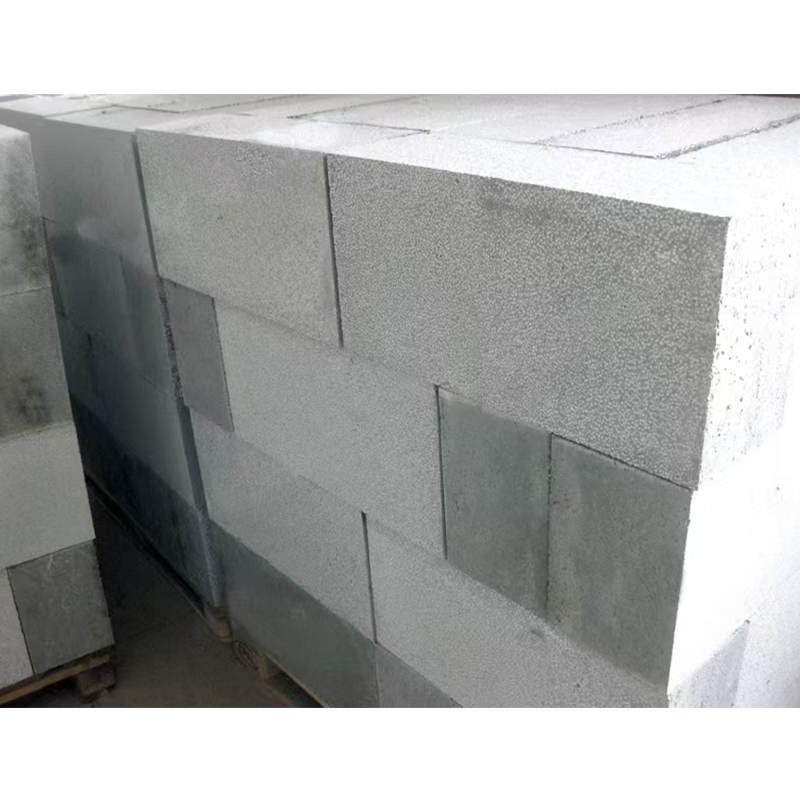
ALC sheets utilize an autoclave curing process to form a uniform porous structure, ensuring lightweight while maintaining a certain strength. In floor slab applications, by rationally controlling the sheet thickness and internal pore distribution, its compressive and bending resistance can be effectively improved. Furthermore, for different load requirements, high-strength products can be selected or reinforcing structures can be incorporated within the sheet to ensure that its load-bearing capacity meets building code requirements, providing a stable foundation for vibration damping design.
2. Composite Structural Design Achieves Complementary Performance
Single ALC sheets have certain limitations in terms of load-bearing capacity and vibration damping; therefore, composite floor slab structures are typically used in practical applications. For example, layering reinforced concrete or a leveling layer on top of an ALC sheet can significantly improve overall stiffness and load-bearing capacity. Simultaneously, the ALC layer itself possesses elasticity and energy absorption characteristics, acting as a buffer within the structure. This "rigid-flexible combination" structural design creates a synergistic effect between load-bearing and vibration damping in the floor slab.
3. Optimized Connection Nodes Reduce Vibration Transmission
Connection nodes in the floor slab system have a significant impact on vibration transmission. Using elastic connectors or vibration isolation pads can effectively reduce the propagation path of vibrations within the structure. Overly rigid connections between the ALC sheet and beams or walls can easily transmit vibrations directly to the entire structure; moderately flexible connections help absorb some energy, thereby improving the overall vibration damping effect.
4. Utilizing Material Properties to Enhance Vibration Absorption
The porous structure within the ALC sheet gives it natural energy absorption and damping characteristics. Under external loads or vibrations, this structure can disperse energy and slow vibration propagation. Optimizing the pore size distribution and material density can further enhance its vibration damping performance. Meanwhile, strategically placing the ALC layer within the floor slab system in vibration-sensitive areas helps maximize its vibration-absorbing advantages.
5. Construction Process Control Ensures Performance Optimization
Construction quality directly impacts the actual performance of the ALC floor slab system. During installation, it is crucial to ensure the sheets are laid flat, joints are properly treated, and stress concentration caused by localized voids or uneven support is avoided. Furthermore, the application of damping materials or sound insulation pads can further enhance the system's overall performance. Standardized construction not only ensures load-bearing safety but also provides reliable conditions for achieving vibration damping effects.
In conclusion, achieving a balance between load-bearing capacity and vibration damping performance in ALC sheet applications relies on the coordinated efforts of structural design, material optimization, and construction control. Through scientific system integration, it can meet the safety requirements of building structures while improving user comfort, providing an efficient and reliable solution for modern prefabricated buildings.
1. Optimizing Sheet Structure to Enhance Foundation Load-Bearing Capacity
ALC sheets utilize an autoclave curing process to form a uniform porous structure, ensuring lightweight while maintaining a certain strength. In floor slab applications, by rationally controlling the sheet thickness and internal pore distribution, its compressive and bending resistance can be effectively improved. Furthermore, for different load requirements, high-strength products can be selected or reinforcing structures can be incorporated within the sheet to ensure that its load-bearing capacity meets building code requirements, providing a stable foundation for vibration damping design.
2. Composite Structural Design Achieves Complementary Performance
Single ALC sheets have certain limitations in terms of load-bearing capacity and vibration damping; therefore, composite floor slab structures are typically used in practical applications. For example, layering reinforced concrete or a leveling layer on top of an ALC sheet can significantly improve overall stiffness and load-bearing capacity. Simultaneously, the ALC layer itself possesses elasticity and energy absorption characteristics, acting as a buffer within the structure. This "rigid-flexible combination" structural design creates a synergistic effect between load-bearing and vibration damping in the floor slab.
3. Optimized Connection Nodes Reduce Vibration Transmission
Connection nodes in the floor slab system have a significant impact on vibration transmission. Using elastic connectors or vibration isolation pads can effectively reduce the propagation path of vibrations within the structure. Overly rigid connections between the ALC sheet and beams or walls can easily transmit vibrations directly to the entire structure; moderately flexible connections help absorb some energy, thereby improving the overall vibration damping effect.
4. Utilizing Material Properties to Enhance Vibration Absorption
The porous structure within the ALC sheet gives it natural energy absorption and damping characteristics. Under external loads or vibrations, this structure can disperse energy and slow vibration propagation. Optimizing the pore size distribution and material density can further enhance its vibration damping performance. Meanwhile, strategically placing the ALC layer within the floor slab system in vibration-sensitive areas helps maximize its vibration-absorbing advantages.
5. Construction Process Control Ensures Performance Optimization
Construction quality directly impacts the actual performance of the ALC floor slab system. During installation, it is crucial to ensure the sheets are laid flat, joints are properly treated, and stress concentration caused by localized voids or uneven support is avoided. Furthermore, the application of damping materials or sound insulation pads can further enhance the system's overall performance. Standardized construction not only ensures load-bearing safety but also provides reliable conditions for achieving vibration damping effects.
In conclusion, achieving a balance between load-bearing capacity and vibration damping performance in ALC sheet applications relies on the coordinated efforts of structural design, material optimization, and construction control. Through scientific system integration, it can meet the safety requirements of building structures while improving user comfort, providing an efficient and reliable solution for modern prefabricated buildings.