


How do insulation bricks balance thermal insulation performance and load-bearing capacity in building insulation?
Release Time : 2026-04-07
In modern building energy-saving systems, insulation materials not only need excellent thermal insulation performance but also need to meet certain structural load-bearing requirements. Traditional insulation materials often emphasize low thermal conductivity but lack strength; while high-strength materials may have high thermal conductivity. Achieving a balance between thermal insulation performance and load-bearing capacity in building insulation has become a key issue in the design and application of insulation bricks.
1. Optimized Material Formulation for Performance Balance
Insulation bricks are typically made of lightweight aggregates and inorganic cementitious materials. By rationally selecting low thermal conductivity materials such as expanded perlite and ceramsite, and combining them with cement or other cementing systems, density can be reduced while maintaining a certain structural strength. Furthermore, by controlling the material ratio to achieve a balance between porosity and density, it helps to achieve the optimal performance combination between thermal insulation and load-bearing capacity.
2. Porous Structure Design Enhances Thermal Insulation Capacity
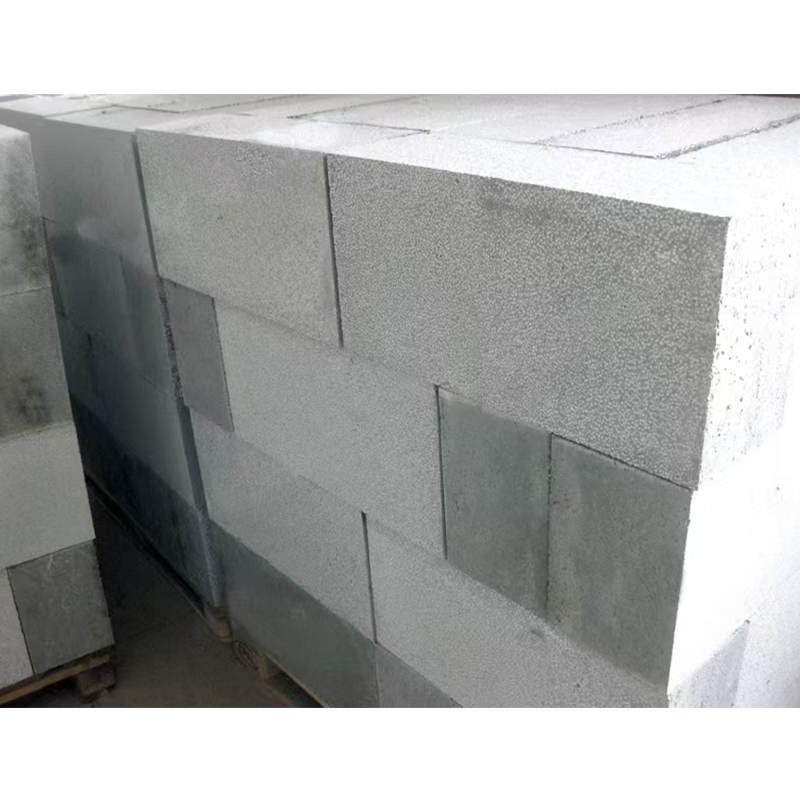
The thermal insulation performance of insulation bricks mainly comes from their internal porous structure. Air within pores has a low thermal conductivity, effectively blocking heat transfer. By controlling the pore size and distribution to ensure uniform and closed pores, the insulation effect can be further improved. Simultaneously, avoiding excessively large or interconnected pores helps prevent strength loss, thus maintaining structural stability while preserving good insulation performance.
3. Enhancing the Skeleton Structure to Improve Load-Bearing Capacity
Based on a porous structure, constructing a stable internal skeleton can significantly improve the load-bearing capacity of insulation bricks. For example, introducing fiber reinforcement or using optimized particle size distribution creates a continuous support structure internally. This composite system of "skeleton + pores" allows the material to effectively distribute stress under load, preventing localized damage.
4. Production Process Control to Ensure Consistent Performance
The molding and sintering processes have a significant impact on the performance of insulation bricks. Precise control of molding pressure and temperature can make the internal structure of the material more uniform, reducing defects and thus improving overall strength. At the same time, a proper sintering regime helps enhance the bonding force between particles, allowing the brick to maintain stable performance between high strength and low thermal conductivity.
5. Structural Design Reduces Thermal Bridge Effects
In practical building applications, the performance of individual insulation bricks must be coordinated with the overall structure. Optimizing masonry methods and joint design can reduce thermal bridging, preventing heat conduction through joints. Simultaneously, a well-designed wall structure, ensuring the load-bearing components and insulation layer work in tandem, contributes to improved overall performance.
6. Comprehensive Design Adaptable to Different Application Needs
Insulation bricks can be tailored to the specific needs of different building components. For example, strength can be increased in load-bearing walls, while insulation performance can be prioritized in non-load-bearing insulation layers. This differentiated design maximizes the material's effectiveness in various scenarios.
In summary, insulation bricks achieve an effective balance between insulation performance and load-bearing capacity through optimized material formulation, porous structure design, reinforced framework, and controlled manufacturing processes. This multi-faceted synergistic optimization not only improves building energy efficiency but also provides reliable structural safety.
1. Optimized Material Formulation for Performance Balance
Insulation bricks are typically made of lightweight aggregates and inorganic cementitious materials. By rationally selecting low thermal conductivity materials such as expanded perlite and ceramsite, and combining them with cement or other cementing systems, density can be reduced while maintaining a certain structural strength. Furthermore, by controlling the material ratio to achieve a balance between porosity and density, it helps to achieve the optimal performance combination between thermal insulation and load-bearing capacity.
2. Porous Structure Design Enhances Thermal Insulation Capacity
The thermal insulation performance of insulation bricks mainly comes from their internal porous structure. Air within pores has a low thermal conductivity, effectively blocking heat transfer. By controlling the pore size and distribution to ensure uniform and closed pores, the insulation effect can be further improved. Simultaneously, avoiding excessively large or interconnected pores helps prevent strength loss, thus maintaining structural stability while preserving good insulation performance.
3. Enhancing the Skeleton Structure to Improve Load-Bearing Capacity
Based on a porous structure, constructing a stable internal skeleton can significantly improve the load-bearing capacity of insulation bricks. For example, introducing fiber reinforcement or using optimized particle size distribution creates a continuous support structure internally. This composite system of "skeleton + pores" allows the material to effectively distribute stress under load, preventing localized damage.
4. Production Process Control to Ensure Consistent Performance
The molding and sintering processes have a significant impact on the performance of insulation bricks. Precise control of molding pressure and temperature can make the internal structure of the material more uniform, reducing defects and thus improving overall strength. At the same time, a proper sintering regime helps enhance the bonding force between particles, allowing the brick to maintain stable performance between high strength and low thermal conductivity.
5. Structural Design Reduces Thermal Bridge Effects
In practical building applications, the performance of individual insulation bricks must be coordinated with the overall structure. Optimizing masonry methods and joint design can reduce thermal bridging, preventing heat conduction through joints. Simultaneously, a well-designed wall structure, ensuring the load-bearing components and insulation layer work in tandem, contributes to improved overall performance.
6. Comprehensive Design Adaptable to Different Application Needs
Insulation bricks can be tailored to the specific needs of different building components. For example, strength can be increased in load-bearing walls, while insulation performance can be prioritized in non-load-bearing insulation layers. This differentiated design maximizes the material's effectiveness in various scenarios.
In summary, insulation bricks achieve an effective balance between insulation performance and load-bearing capacity through optimized material formulation, porous structure design, reinforced framework, and controlled manufacturing processes. This multi-faceted synergistic optimization not only improves building energy efficiency but also provides reliable structural safety.