


How does the internal microstructure of autoclaved aerated concrete boards contribute to high-efficiency thermal insulation?
Release Time : 2026-03-24
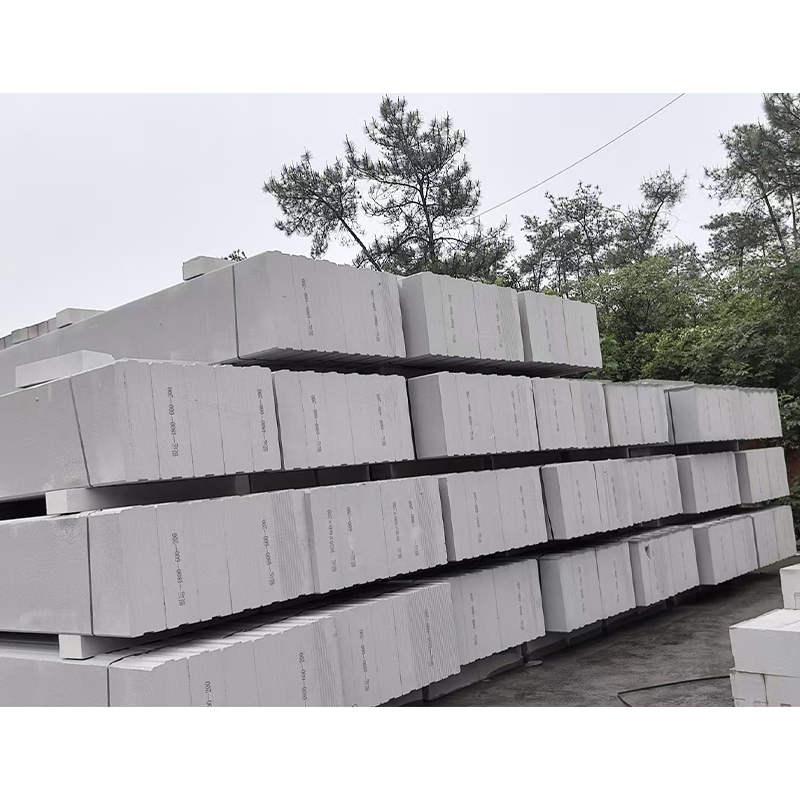
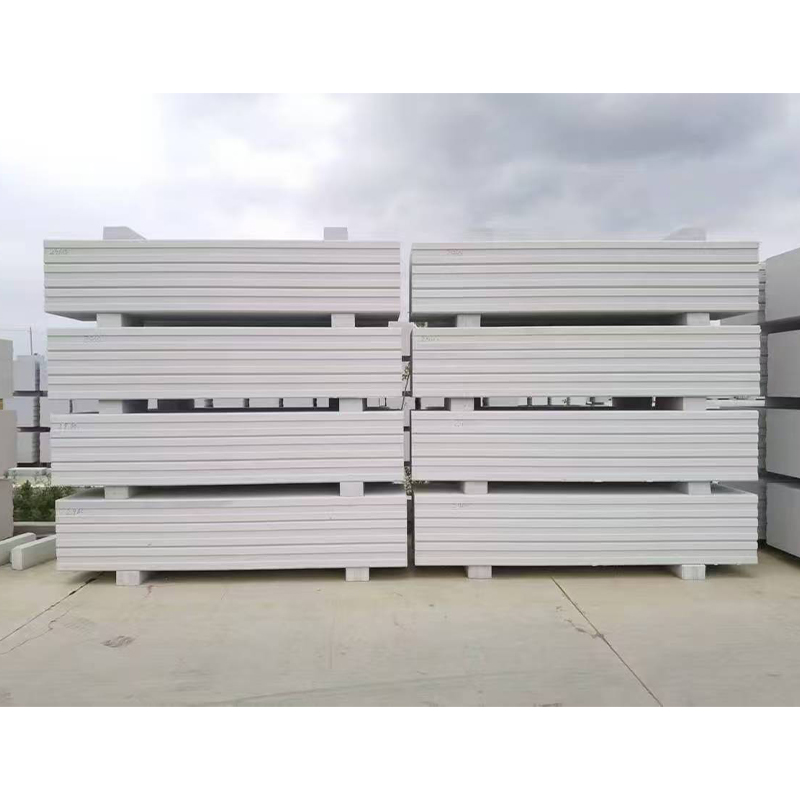
Autoclaved aerated concrete boards, a common new type of wall material in prefabricated buildings, have attracted widespread attention for their excellent thermal insulation performance. Their core advantages stem from their unique internal microstructure and the support of an autoclave curing process, enabling the material to be lightweight while possessing high-efficiency thermal insulation capabilities, meeting the energy-saving requirements of modern buildings.
1. Uniform Porous Structure Creates an Insulation Barrier
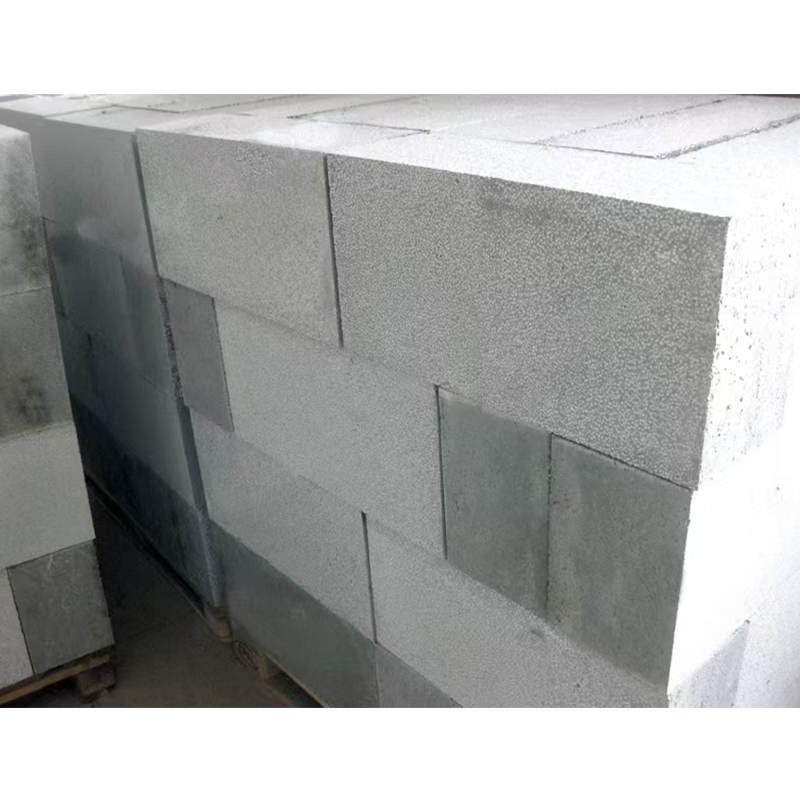
During the production process, autoclaved aerated concrete boards form a large number of uniformly distributed micropores within the material through a gas-generating reaction. These pores are usually closed or semi-closed, filled with still air. Since air itself has a low thermal conductivity, these microporous structures effectively block the heat conduction path, forming a natural insulation layer. The superposition of numerous pores continuously weakens heat during transfer, thus significantly improving overall thermal insulation performance.
2. Porous System Reduces Material Thermal Conductivity
Compared to traditional dense concrete, autoclaved aerated concrete boards have a lower density, and their porous structure significantly reduces the continuity of the solid material. Heat conducts rapidly in solids, but in porous structures, it must constantly pass through the gas-solid interface, significantly reducing heat transfer efficiency. This "multi-interface barrier effect" significantly lowers the overall thermal conductivity of the material, resulting in better insulation.
3. Autoclaved Aerated Concrete Boards: Optimizing Microstructural Stability
Autoclaved aerated concrete boards utilize an autoclaved steam curing process. Under high temperature and pressure, the raw materials undergo a hydrothermal reaction, generating a stable crystalline structure. This process not only enhances the material's strength but also makes the pore structure more uniform and stable. A stable microstructure ensures that the insulation performance does not degrade over long-term use, preventing thermal performance degradation due to structural changes.
4. Reducing Thermal Bridge Effects and Enhancing Overall Energy Efficiency
In buildings, thermal bridges are a significant factor affecting insulation performance. Due to their homogeneous porous structure, autoclaved aerated concrete boards reduce localized heat concentration and the thermal bridge effect. Especially in wall and floor systems, this uniform structure helps maintain a consistent overall temperature distribution, improving the building's energy efficiency.
5. Balancing Sound Insulation and Fire Resistance
Its microporous structure not only contributes to thermal insulation but also blocks sound wave propagation, thus providing excellent sound insulation. Simultaneously, the material itself is composed of inorganic minerals, exhibiting excellent fire resistance. It does not burn or release harmful gases at high temperatures, making it equally outstanding in terms of building safety, achieving a multi-functional integrated advantage.
6. Lightweight Structure Enhances Construction and Application Efficiency
Autoclaved aerated concrete boards maintain high-efficiency thermal insulation while possessing low weight, facilitating transportation and installation. Its standardized dimensions and prefabricated production methods make the construction process faster, saving labor and time costs. This lightweight and efficient characteristic makes it widely used in prefabricated buildings.
In summary, autoclaved aerated concrete boards achieve excellent thermal insulation performance through their uniform porous microstructure and autoclave curing process. Their low thermal conductivity, stable structure, and multi-functional characteristics make them play an important role in modern building energy conservation, providing strong support for achieving green building and sustainable development.
1. Uniform Porous Structure Creates an Insulation Barrier
During the production process, autoclaved aerated concrete boards form a large number of uniformly distributed micropores within the material through a gas-generating reaction. These pores are usually closed or semi-closed, filled with still air. Since air itself has a low thermal conductivity, these microporous structures effectively block the heat conduction path, forming a natural insulation layer. The superposition of numerous pores continuously weakens heat during transfer, thus significantly improving overall thermal insulation performance.
2. Porous System Reduces Material Thermal Conductivity
Compared to traditional dense concrete, autoclaved aerated concrete boards have a lower density, and their porous structure significantly reduces the continuity of the solid material. Heat conducts rapidly in solids, but in porous structures, it must constantly pass through the gas-solid interface, significantly reducing heat transfer efficiency. This "multi-interface barrier effect" significantly lowers the overall thermal conductivity of the material, resulting in better insulation.
3. Autoclaved Aerated Concrete Boards: Optimizing Microstructural Stability
Autoclaved aerated concrete boards utilize an autoclaved steam curing process. Under high temperature and pressure, the raw materials undergo a hydrothermal reaction, generating a stable crystalline structure. This process not only enhances the material's strength but also makes the pore structure more uniform and stable. A stable microstructure ensures that the insulation performance does not degrade over long-term use, preventing thermal performance degradation due to structural changes.
4. Reducing Thermal Bridge Effects and Enhancing Overall Energy Efficiency
In buildings, thermal bridges are a significant factor affecting insulation performance. Due to their homogeneous porous structure, autoclaved aerated concrete boards reduce localized heat concentration and the thermal bridge effect. Especially in wall and floor systems, this uniform structure helps maintain a consistent overall temperature distribution, improving the building's energy efficiency.
5. Balancing Sound Insulation and Fire Resistance
Its microporous structure not only contributes to thermal insulation but also blocks sound wave propagation, thus providing excellent sound insulation. Simultaneously, the material itself is composed of inorganic minerals, exhibiting excellent fire resistance. It does not burn or release harmful gases at high temperatures, making it equally outstanding in terms of building safety, achieving a multi-functional integrated advantage.
6. Lightweight Structure Enhances Construction and Application Efficiency
Autoclaved aerated concrete boards maintain high-efficiency thermal insulation while possessing low weight, facilitating transportation and installation. Its standardized dimensions and prefabricated production methods make the construction process faster, saving labor and time costs. This lightweight and efficient characteristic makes it widely used in prefabricated buildings.
In summary, autoclaved aerated concrete boards achieve excellent thermal insulation performance through their uniform porous microstructure and autoclave curing process. Their low thermal conductivity, stable structure, and multi-functional characteristics make them play an important role in modern building energy conservation, providing strong support for achieving green building and sustainable development.