
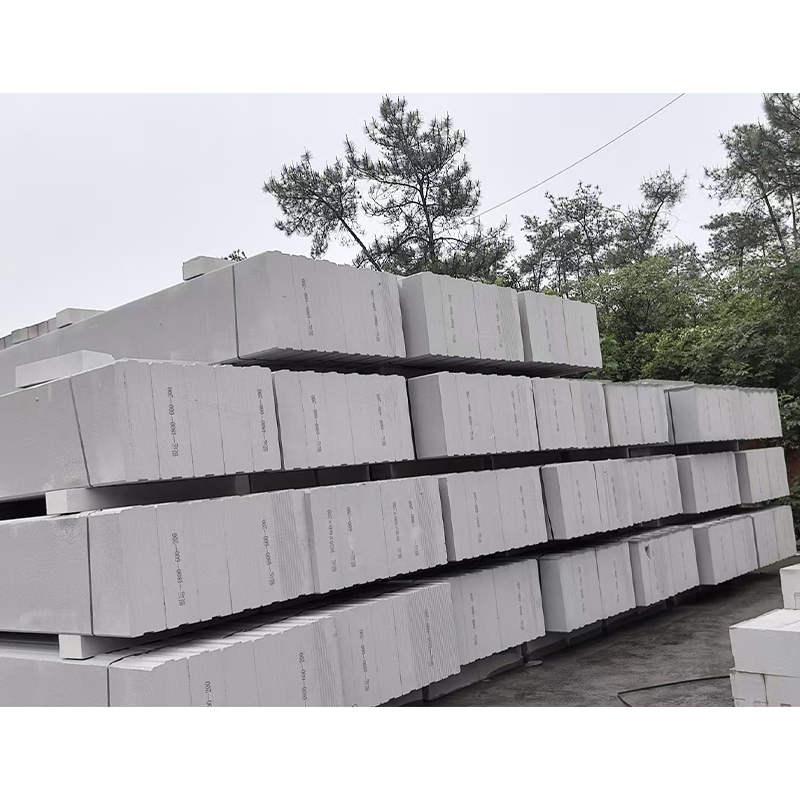
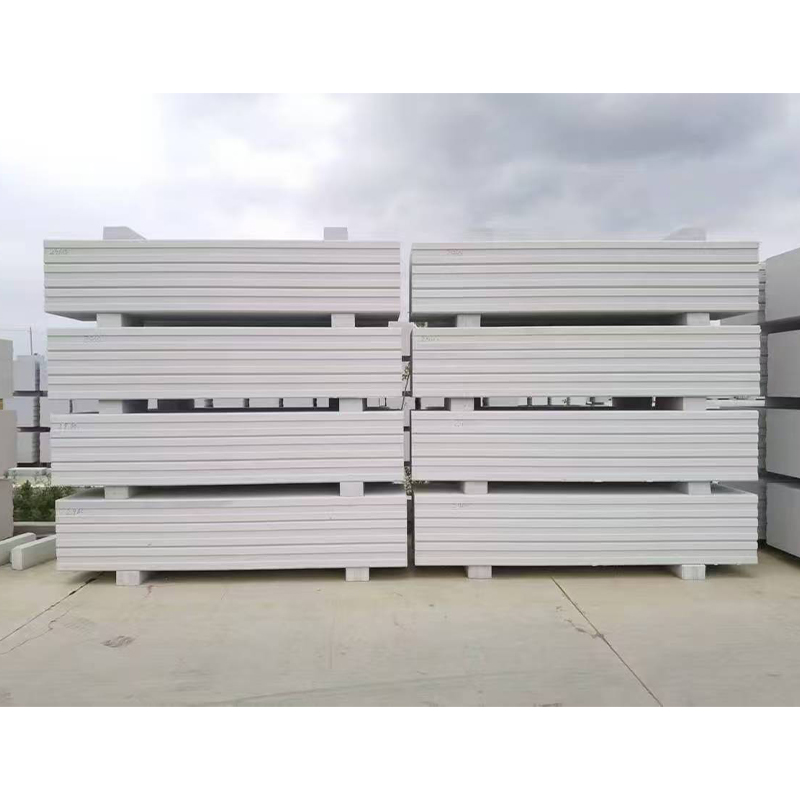
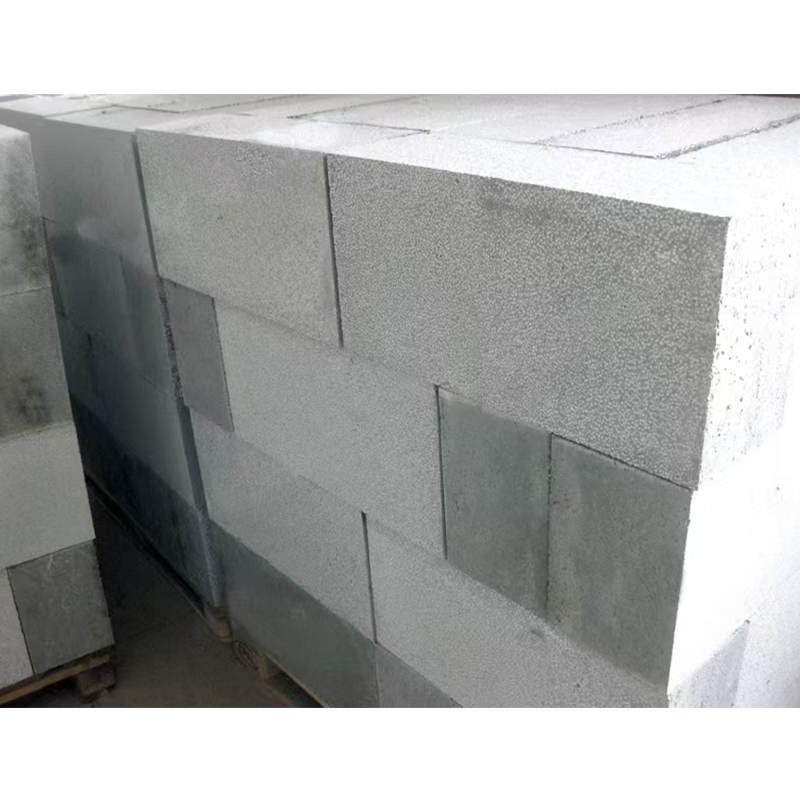


How to reduce the introduction of impurities to maintain good thermal insulation properties during the production of insulation bricks?
Release Time : 2026-02-09
In the manufacturing process of insulation bricks, minimizing impurities is crucial for maintaining their excellent insulation properties. Impurities can originate from various sources, including raw materials, production equipment, process operations, and the environment. These impurities not only affect the physical properties of insulation bricks but can also reduce their thermal performance, thereby weakening their insulation effect. Therefore, a comprehensive impurity control system must be established, encompassing raw material selection, equipment maintenance, process control, and environmental management.
Raw materials are the foundation of insulation brick production, and their quality directly impacts the final product's performance. During raw material selection, priority should be given to materials with high purity and low impurities, such as high-quality coal gangue and shale. These raw materials must undergo rigorous chemical and physical analysis to ensure their composition meets production requirements and to avoid excessive amounts of harmful impurities such as calcium oxide and magnesium oxide. Simultaneously, the particle size distribution of the raw materials must be properly controlled to prevent the mixing of excessively large or small particles, thereby reducing impurity formation during molding and firing. Furthermore, dust-proof and pollution-proof measures must be implemented during the storage and transportation of raw materials to prevent the introduction of external impurities.
Cleaning and maintaining production equipment is another crucial step in reducing impurity contamination. Over long-term use, equipment easily accumulates dust, oil, and other impurities, which may detach and mix into the insulation bricks during production. Therefore, regular and thorough cleaning of production equipment is essential, especially of components in direct contact with raw materials, such as mixers, extruders, and molds. Simultaneously, proper equipment maintenance is crucial, with timely replacement of worn parts to prevent impurities from entering due to equipment malfunctions. Furthermore, the production equipment must be well-sealed to prevent external dust and impurities from entering the production environment through gaps.
Process operation is the core of insulation brick production, and its standardization directly affects the impurity content of the product. In the raw material preparation stage, parameters for crushing, screening, and mixing must be strictly controlled to ensure the uniformity and consistency of the raw materials. In the molding stage, appropriate molding processes and molds must be selected to avoid impurities from entering due to insufficient molding pressure or mold wear. In the firing stage, firing temperature and atmosphere must be strictly controlled to prevent raw material decomposition and impurity generation due to excessively high temperatures or inappropriate atmospheres. Furthermore, each step in the production process requires rigorous inspection and screening to promptly identify and remove semi-finished and finished products containing impurities.
Environmental management is equally crucial in insulation brick production. Production workshops must be kept clean and tidy, with regular sweeping of floors and equipment surfaces to remove dust and impurities. Simultaneously, the workshop's ventilation and dust removal systems must be robust to promptly remove dust and exhaust gases generated during production, preventing secondary contamination of raw materials and products. In addition, the personal hygiene and operational procedures of production personnel must be strictly managed, such as wearing clean work clothes, masks, and gloves, to avoid impurities introduced due to human factors.
Besides the above measures, technological improvements and innovations can further reduce impurity contamination. For example, adopting advanced raw material processing technologies, such as aging and homogenization, can improve the uniformity and stability of raw materials; introducing automated and intelligent production equipment can reduce manual operations and lower the risk of impurities introduced due to human factors; and developing new insulation materials, such as nanomaterials and composite materials, can improve the insulation performance and impurity resistance of insulation bricks.
Reducing impurities in the production of insulation bricks is a systematic project that requires a comprehensive approach, including raw material selection, equipment maintenance, process control, environmental management, and technological improvements, to build a complete impurity control system.