


How does ALC sheet enhance thermal insulation performance and reduce building energy consumption through its internal porous structure?
Release Time : 2026-06-09
With the increasing promotion of green and energy-efficient building concepts, the thermal insulation performance of building envelopes has become a crucial factor affecting building energy consumption. While traditional building materials possess certain strength and durability, they often fall short in thermal insulation, leading to significant energy consumption during winter heating and summer cooling. ALC sheet, a lightweight building material produced using an autoclave curing process, boasts excellent thermal insulation performance due to its unique internal porous structure, and is widely used in prefabricated buildings, industrial plants, residential buildings, and public buildings.
1. Internal Porous Structure Forms a Natural Insulation Layer
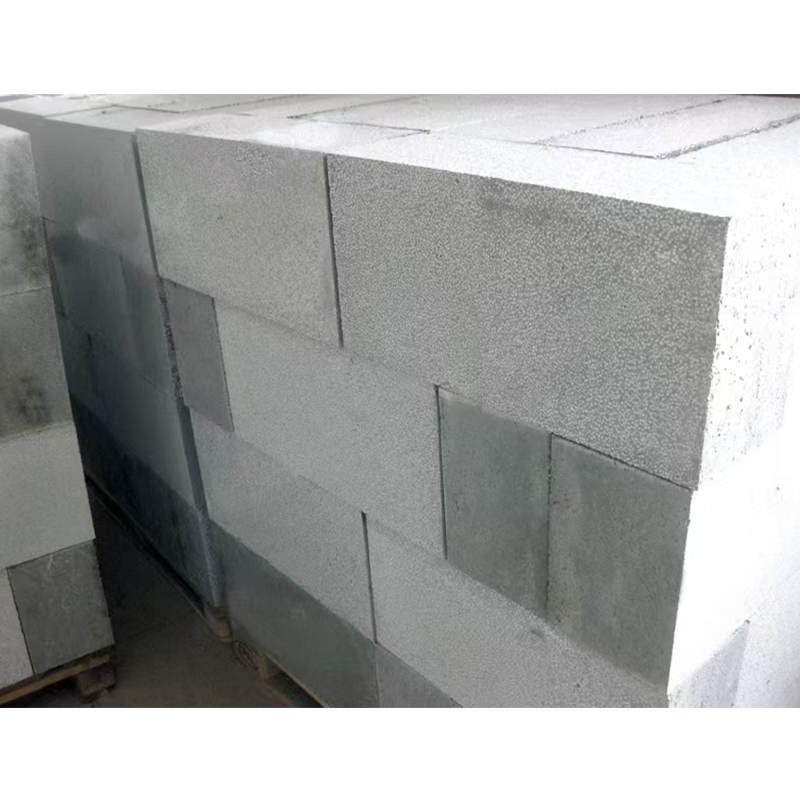
During the production process, ALC sheet utilizes a special foaming process to create numerous uniformly distributed micropores. These closed or semi-closed pores are filled with still air, which is a medium with low thermal conductivity. When external heat attempts to pass through the sheet, the heat transfer path is continuously blocked and prolonged by the numerous pores, thus reducing heat conduction efficiency. It is this unique porous structure that allows ALC sheets to form a natural insulation layer, providing excellent thermal insulation for buildings.
2. Reduced Heat Transfer and Improved Insulation Performance
Heat loss in building envelopes primarily occurs through heat transfer. Ordinary concrete and other dense materials have a tight internal structure, allowing heat to transfer quickly and easily. However, ALC sheets contain numerous uniform pores, effectively reducing direct heat transfer channels between solid materials. During winter heating, the sheets slow down heat loss to the outside; in summer, they prevent external heat from entering the building. By reducing heat transfer efficiency, the building's internal temperature remains more stable, thus improving living and usage comfort.
3. Reduced Energy Consumption for Air Conditioning and Heating Systems
Excellent thermal insulation performance directly reduces building energy consumption. When the building envelope has strong insulation capabilities, the indoor temperature is less affected by the external environment, and air conditioning and heating equipment do not need to operate frequently to maintain a comfortable environment. For example, in summer, ALC sheets reduce solar radiation heat entering the room; in winter, they reduce heat loss from the room. By reducing heating and cooling load demands, the overall energy consumption of the building is significantly reduced, achieving energy conservation and emission reduction goals.
4. Improved Building Thermal Stability
In addition to reducing the rate of heat transfer, ALC sheets also possess good thermal stability. Due to their porous internal structure, they buffer the effects of external temperature changes, preventing drastic fluctuations in the building's internal environment caused by diurnal temperature variations or seasonal changes. This temperature buffering effect enhances the building's thermal inertia, resulting in a more balanced and stable indoor temperature, further improving the living experience. Simultaneously, a stable temperature environment helps reduce the frequent start-up and shutdown of air conditioning equipment, improving equipment operating efficiency and lifespan.
5. Balancing Lightweight and Energy-Saving Advantages
ALC sheets not only possess excellent thermal insulation performance but are also lightweight. Compared to traditional concrete walls, ALC sheets effectively reduce the building's self-weight and lighten the load on the main structure. This achieves a combination of thermal insulation and lightweight design while maintaining structural performance. This advantage is particularly suitable for prefabricated buildings and high-rise building projects, not only promoting energy conservation and environmental protection but also improving construction efficiency and project economic benefits.
6. Meeting the Needs of Green Building Development
The construction industry is currently moving towards low-carbon and energy-efficient development. ALC sheets, with their excellent thermal insulation performance, help buildings meet energy efficiency standards and green building evaluation requirements. By reducing energy consumption throughout the building's life cycle, they not only lower operating costs but also help reduce carbon emissions, achieving a dual improvement in environmental protection and economic benefits. Therefore, ALC sheets have become an important component of modern green building systems.
In summary, ALC sheets, through their uniformly distributed porous structure, effectively reduce the rate of heat conduction, forming a natural insulation layer, thereby significantly improving the building's thermal insulation performance. They not only reduce energy consumption in air conditioning and heating systems and improve building thermal stability but also offer advantages such as lightweight design and environmental friendliness.
1. Internal Porous Structure Forms a Natural Insulation Layer
During the production process, ALC sheet utilizes a special foaming process to create numerous uniformly distributed micropores. These closed or semi-closed pores are filled with still air, which is a medium with low thermal conductivity. When external heat attempts to pass through the sheet, the heat transfer path is continuously blocked and prolonged by the numerous pores, thus reducing heat conduction efficiency. It is this unique porous structure that allows ALC sheets to form a natural insulation layer, providing excellent thermal insulation for buildings.
2. Reduced Heat Transfer and Improved Insulation Performance
Heat loss in building envelopes primarily occurs through heat transfer. Ordinary concrete and other dense materials have a tight internal structure, allowing heat to transfer quickly and easily. However, ALC sheets contain numerous uniform pores, effectively reducing direct heat transfer channels between solid materials. During winter heating, the sheets slow down heat loss to the outside; in summer, they prevent external heat from entering the building. By reducing heat transfer efficiency, the building's internal temperature remains more stable, thus improving living and usage comfort.
3. Reduced Energy Consumption for Air Conditioning and Heating Systems
Excellent thermal insulation performance directly reduces building energy consumption. When the building envelope has strong insulation capabilities, the indoor temperature is less affected by the external environment, and air conditioning and heating equipment do not need to operate frequently to maintain a comfortable environment. For example, in summer, ALC sheets reduce solar radiation heat entering the room; in winter, they reduce heat loss from the room. By reducing heating and cooling load demands, the overall energy consumption of the building is significantly reduced, achieving energy conservation and emission reduction goals.
4. Improved Building Thermal Stability
In addition to reducing the rate of heat transfer, ALC sheets also possess good thermal stability. Due to their porous internal structure, they buffer the effects of external temperature changes, preventing drastic fluctuations in the building's internal environment caused by diurnal temperature variations or seasonal changes. This temperature buffering effect enhances the building's thermal inertia, resulting in a more balanced and stable indoor temperature, further improving the living experience. Simultaneously, a stable temperature environment helps reduce the frequent start-up and shutdown of air conditioning equipment, improving equipment operating efficiency and lifespan.
5. Balancing Lightweight and Energy-Saving Advantages
ALC sheets not only possess excellent thermal insulation performance but are also lightweight. Compared to traditional concrete walls, ALC sheets effectively reduce the building's self-weight and lighten the load on the main structure. This achieves a combination of thermal insulation and lightweight design while maintaining structural performance. This advantage is particularly suitable for prefabricated buildings and high-rise building projects, not only promoting energy conservation and environmental protection but also improving construction efficiency and project economic benefits.
6. Meeting the Needs of Green Building Development
The construction industry is currently moving towards low-carbon and energy-efficient development. ALC sheets, with their excellent thermal insulation performance, help buildings meet energy efficiency standards and green building evaluation requirements. By reducing energy consumption throughout the building's life cycle, they not only lower operating costs but also help reduce carbon emissions, achieving a dual improvement in environmental protection and economic benefits. Therefore, ALC sheets have become an important component of modern green building systems.
In summary, ALC sheets, through their uniformly distributed porous structure, effectively reduce the rate of heat conduction, forming a natural insulation layer, thereby significantly improving the building's thermal insulation performance. They not only reduce energy consumption in air conditioning and heating systems and improve building thermal stability but also offer advantages such as lightweight design and environmental friendliness.